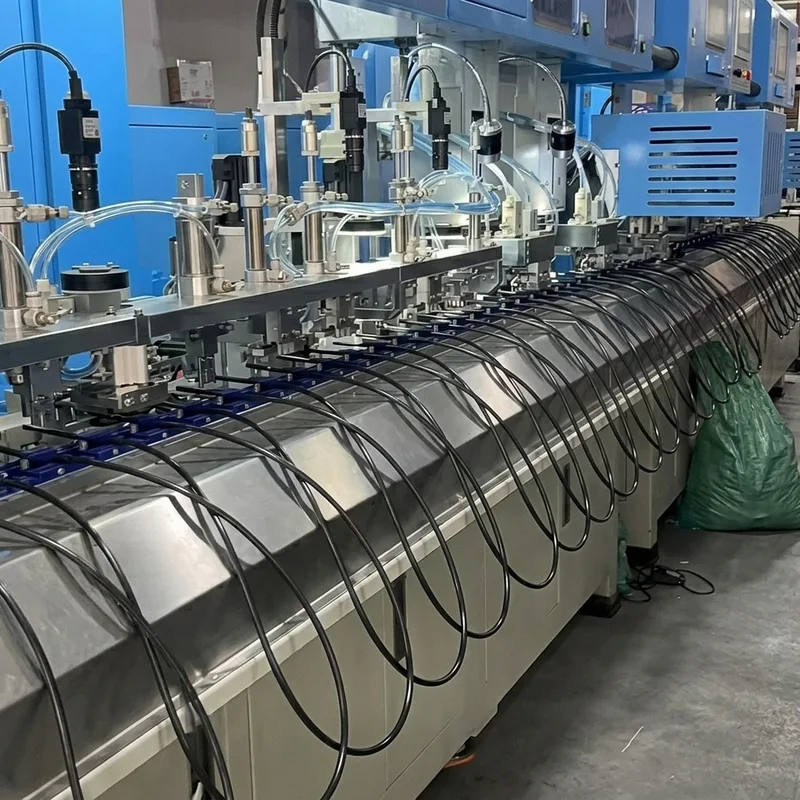
Copper remains a critical raw material for the electrical industry, from power cables and building wiring to electrical equipment and infrastructure. In 2026, rising demand from data centers, electricity networks, and electrification projects is adding pressure to parts of the copper and electrical materials supply chain.

Recent industry reports highlight a combination of copper supply constraints, higher material costs, trade uncertainty, and growing demand for electrical infrastructure. These factors may affect purchasing decisions, supplier quotations, and production planning for businesses sourcing wire and cable products.

For power cord manufacturers, distributors, and importers, the key question is not simply whether copper prices are rising. It is how raw material market changes may affect finished-product costs, quotation validity, and delivery schedules.
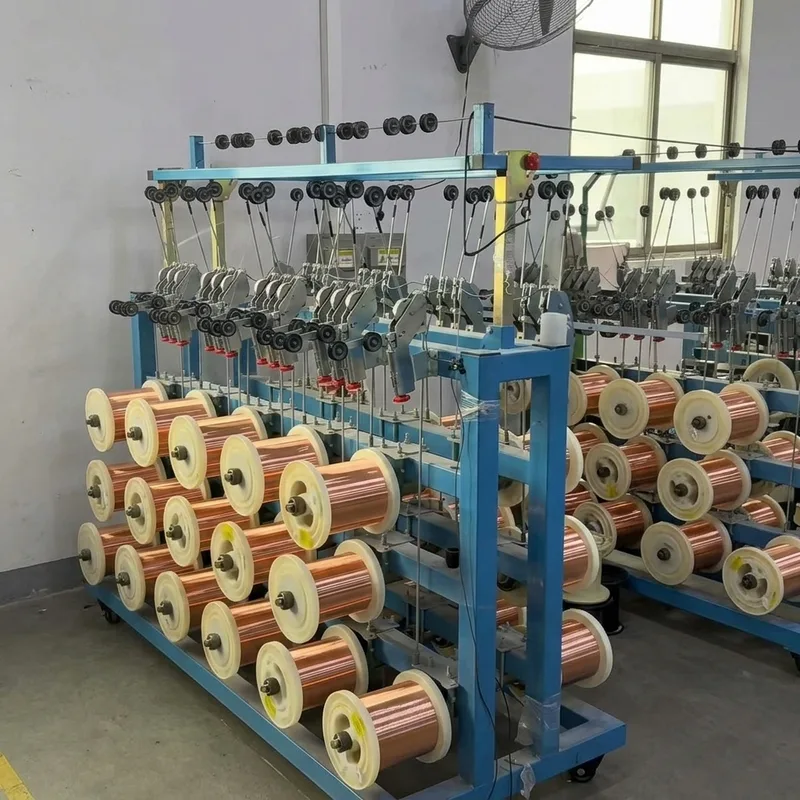
copper

Why Is Copper Supply Under Pressure in 2026?

Copper demand is closely connected to electricity infrastructure. Power grids, data centers, industrial facilities, and electrification projects all require copper in various forms.

An October 2026 report from Distribution Strategy Group highlighted how data center construction is increasing demand for electrical materials, while copper supply constraints and transportation costs are adding pressure to the supply chain.

At the same time, Reuters reported on October 22 that cable manufacturing capacity was emerging as a bottleneck for some AI data center projects. The report focused on larger power cables rather than ordinary household power cords, but it illustrates the wider pressure that rapid infrastructure investment can place on electrical supply chains.

Several factors are worth watching:

  • Growing demand: Data centers, grid upgrades, and electrification projects require substantial electrical infrastructure.
  • Supply-side constraints: Mine disruptions and declining ore grades at some established mines can limit the industry’s ability to increase output quickly.
  • Trade and inventory shifts: Tariff uncertainty and regional inventory imbalances can affect where copper is available and at what cost.
  • Manufacturing capacity: Expanding production capacity for certain types of cable and electrical equipment can require significant time and investment.

These factors do not mean that every copper product is in short supply. However, they make material availability, pricing, and procurement planning important considerations for electrical product buyers.

Industry sources:

How Can Copper Price Changes Affect Power Cord Costs?

Copper is an important cost component in many power cords and extension cords. However, the final price of a finished product depends on more than the market price of copper.

The impact varies according to conductor size, cable length, conductor material, product configuration, and manufacturing requirements.

1. Conductor Size and Copper Consumption

A power cord with a larger conductor cross-sectional area generally requires more conductor material per unit length, assuming the same conductor material and construction.

For example, a cord using 3 × 1.5 mm² copper conductors will generally require more copper than a cord using 3 × 0.75 mm² conductors of the same length.

When copper prices change, products with higher copper consumption may experience a different cost impact from products with smaller conductors.

Cable Length and Product Configuration

Cable length also affects material consumption. A 3-meter power cord generally requires more conductor material than an otherwise comparable 1.5-meter cord.

Other factors affecting the final quotation include:

  • Plug type and plug component costs
  • Number and size of conductors
  • Insulation and outer sheath materials
  • Cable construction and rated specifications
  • Assembly, testing, and packaging requirements
  • Order quantity and production efficiency

Consequently, two products with similar appearances may have different manufacturing costs.
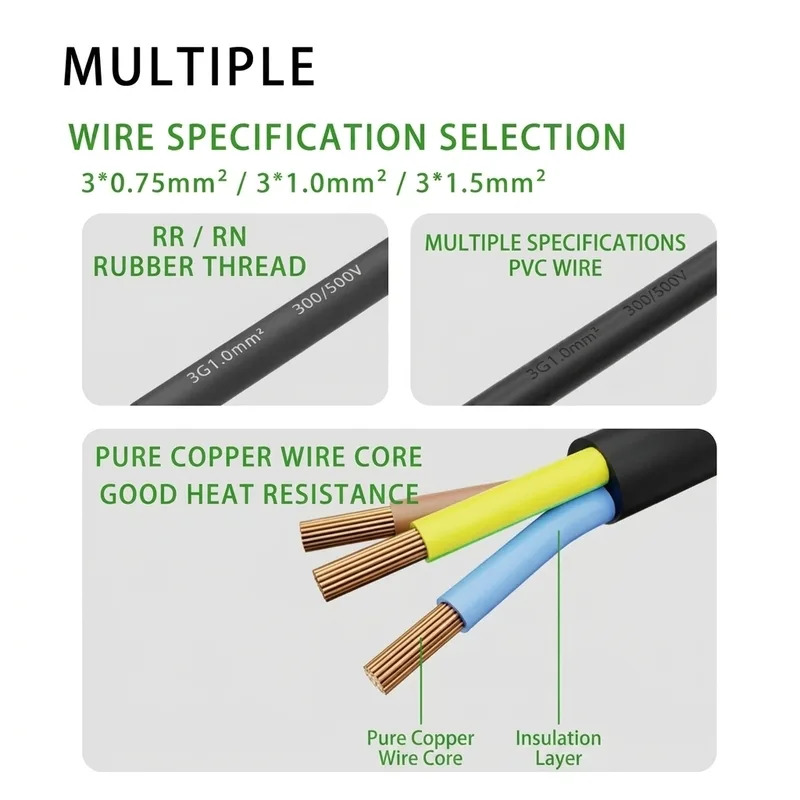
Power cord

Will Copper Supply Pressure Extend Power Cord Delivery Times?

Copper availability is only one factor affecting delivery schedules. Lead times also depend on finished-product inventory, component availability, production capacity, order complexity, and shipping arrangements.

The recent electrical supply chain reports primarily discuss broader electrical materials and infrastructure projects. They do not establish that all low-voltage power cords or extension cords are experiencing shortages.

Nevertheless, buyers can reduce avoidable delays by planning several steps in advance.

1 Confirm Material and Production Availability

Before placing an order, confirm whether the required cable construction, plug components, and other materials are available for the specified production schedule.

This is particularly relevant for custom products that require non-standard cable lengths, conductor sizes, plug configurations, or private-label packaging.

2 Finalize Specifications Before Production

Changes to cable specifications, plug types, labels, or packaging after production has started can create additional coordination and scheduling requirements.

Buyers should finalize the technical data sheet, approved sample, labeling, and packaging requirements before confirming mass production.

3 Allow Time for Custom Orders

Custom power cords and extension cords may require additional preparation compared with standard products held in stock.

Buyers should request a realistic production schedule based on the actual configuration, order quantity, material availability, and inspection requirements instead of relying on a general lead-time estimate.

4 Maintain Clear Communication With Suppliers

For recurring orders, regular communication about forecasts, order quantities, and delivery dates helps both parties plan material purchases and production capacity.

Where demand is predictable, buyers may also discuss scheduled releases or framework purchasing arrangements with their suppliers.
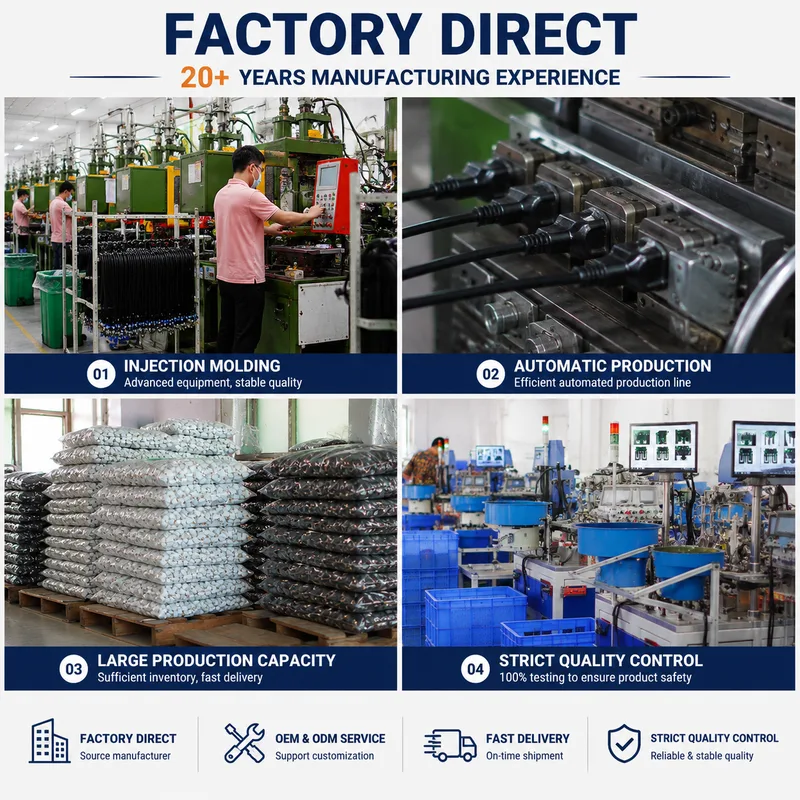
When sourcing power strips and extension leads, the lowest quotation is not always the most cost-effective choice. A product that looks fine on the outside may have undersized conductors, weak socket contacts, poor internal connections, or incomplete compliance documentation. For electrical importers, wholesalers, private-label brands, and equipment manufacturers, these problems can lead to product returns, customer complaints, unexpected costs, and reputational damage. So, how can you evaluate power strip quality before placing a bulk order? The key is to look beyond appearance and unit price. Check the materials, internal construction, safety performance, compliance documents, and manufacturing process. Here are five practical checks to help you assess a power strip supplier and make a more informed purchasing decision. Check the Power Cord: Conductor Material, Cable Size, and Rated Load The power cord is one of the first things to examine when evaluating a power strip or extension lead. Its construction must be suitable for the product's rated current, operating conditions, and target market. A low quotation may reflect differences in conductor material, conductor cross-sectional area, insulation, cable construction, or other specifications. However, price alone cannot tell you whether a cable is suitable for its intended application. What should you check? Conductor material: Confirm whether the cable uses copper, copper-clad aluminum (CCA), or another specified conductor material. Do not rely on appearance alone. Cable size: Verify the conductor cross-sectional area or wire gauge against the product specification and applicable requirements. Cable construction: Check the number of cores, insulation material, sheath material, and temperature rating where applicable. Rated current and voltage: Make sure the cable is suitable for the power strip's declared ratings and intended use. Test documentation: Request relevant test results or material specifications when evaluating a new supplier. For example, a power strip may be offered with a 3 × 1.25 mm² copper cable. This specification should be checked against the product's rated current, cable length, operating conditions, and the requirements of the destination market. A cable specification by itself does not establish that the complete product is safe. Inspect Socket Contacts and Internal Construction The outer housing is only part of a power strip. Internal socket contacts, busbars, terminals, and insulating components also influence electrical performance and service life. Poorly manufactured contacts or loose internal connections can increase electrical resistance and cause localized heating. Inadequate contact pressure or wear can also affect connection reliability over repeated use. Key areas to inspect Socket contact components Check the contact material, thickness, geometry, and retention structure against the approved product specification. Material selection should be supported by appropriate electrical and mechanical performance data. Internal connections Examine how conductors, terminals, and contact components are connected. Loose connections, inconsistent assembly, or unsuitable connection methods can compromise product reliability. Insulating materials Confirm the material used for the housing and internal insulating components. PBT and PC are examples of engineering plastics used in electrical products, but suitability depends on the specific grade, design, temperature performance, and applicable requirements. Plug insertion and withdrawal Ask whether the finished product has been evaluated for the applicable insertion and withdrawal force requirements and mechanical durability. Do not assume that a socket is durable simply because its contacts look thick or shiny. For manufacturers developing private-label power strips, internal components are particularly important. Consistent component dimensions and controlled assembly help reduce production variation between batches. Importer's tip: Request clear internal product photos, a component specification sheet, and relevant test evidence. Where necessary, arrange a sample inspection before approving mass production. Verify Safety Compliance for Your Target Market A power strip suitable for one market may not automatically meet the requirements of another. Plug configurations, rated electrical characteristics, construction requirements, and conformity assessment procedures can differ by destination. This is why compliance should be checked before an order enters production, rather than after the goods are ready to ship. What documents should you request? Start by identifying the requirements that apply to the finished product in your intended market. Then ask the supplier for the relevant documentation. Depending on the product and destination, your checks may include: Applicable product safety standards and conformity requirements. Test reports covering the specific finished model. Rated voltage, rated current, cable specifications, and product markings. Documentation supporting any declared certification or conformity claims. Traceability between the report, product model, manufacturer, and supplied goods. For example, UK products may need to be assessed against applicable UK requirements, while products sold in European markets must meet the relevant EU requirements. South African products must be evaluated against the requirements applicable to their product category and intended market. Do not treat CE, UKCA, or SABS references as interchangeable approvals. Their relevance depends on the product, jurisdiction, and applicable regulatory framework. A document for one model or component does not automatically demonstrate compliance of a different finished power strip. Importer's tip: Ask the supplier to identify exactly which model and configuration each report covers. If you change the plug, cable, socket layout, switch, or protection device, confirm whether the existing assessment remains applicable. Test Switches, Overload Protection, and Rated Performance Power strips often include individual socket switches, master switches, overload protection, or other safety features. However, the available functions vary by model, so buyers should verify the actual product configuration rather than assume every power strip includes the same protection. A switch that feels firm during a quick inspection has not necessarily passed electrical endurance testing. Likewise, a product's printed wattage rating should not be accepted without checking its supporting specifications. What should buyers evaluate? Switch operation Check the switch design, mounting, operation, and relevant electrical and mechanical endurance test results. Individual switches should operate as intended and meet the requirements applicable to the finished product. Overload protection If the model includes an overload protection device, confirm its type, rated characteristics, and performance under the applicable test requirements. Do not advertise overload protection for models that do not include it. Rated current and power Check that the rated current, voltage, and maximum power are consistent with the product label and technical documentation. For instance, a UK power strip rated at 13A and 250V may be marketed with a nominal maximum power of 3,250W. The actual permitted load must follow the product's rating and applicable requirements. Electrical and thermal performance Where applicable, request test evidence for temperature rise, dielectric strength, insulation resistance, and other required safety evaluations. The relevant tests depend on the product design and applicable standards. Importer's tip: Ask for the approved specification sheet and relevant test reports before mass production. If the product includes switches or protective devices, verify those features on the actual sample rather than relying only on catalogue images. Evaluate the Manufacturer, Not Just the Quotation Two power strips can look almost identical while differing in their internal components, production controls, and inspection procedures. Evaluating the manufacturer's capabilities can help you understand how well a supplier manages these differences. A factory-direct supplier may also offer more direct communication about component selection, product modifications, and production requirements. However, being a manufacturer does not automatically guarantee quality; the supplier's actual controls and evidence still matter. Questions to ask a power strip manufacturer Production capability: Which manufacturing and assembly processes are completed in-house, and which are outsourced? Quality control: How are incoming materials, in-process assemblies, and finished products inspected? Electrical testing: Which routine tests are performed, and how are the results recorded? Specification control: Can the supplier maintain the approved cable, plug, socket, switch, and housing specifications throughout production? Customization: Can the supplier support the required cable length, color, socket configuration, plug standard, logo, and packaging? Order consistency: How are production changes, material substitutions, and batch traceability managed? For OEM and ODM power strip projects, these questions are particularly important. A change in cable size, contact material, socket configuration, or protective device may affect product performance and the compliance assessment. Why manufacturing integration matters SEBLIP has over 20 years of manufacturing experience and a 40,000 m² manufacturing facility. Our product range includes power cords, extension cords, power strips, plug and socket components, power connectors, and adapters. Our manufacturing operations cover processes such as wire drawing, wire processing, cable production, injection molding, assembly, electrical testing, quality inspection, and final packaging. The specific processes used depend on the product and its configuration. For customers developing customized electrical connection products, integrated manufacturing capabilities can help coordinate specifications across different production stages. Buyers should still confirm the quality-control procedures and testing requirements for their particular model. Importer's tip: Before confirming a bulk order, approve a representative sample, document the agreed specifications, and clarify how changes will be communicated and approved. A Practical Power Strip Quality Checklist for Importers Before approving a supplier or placing a bulk order, use this checklist to organize your evaluation. Confirm conductor material, cable size, insulation, and rated load. Review socket contacts, internal connections, and insulating components. Verify the applicable standards and documentation for the target market. Check switch operation and confirm any advertised protection features. Request relevant electrical, thermal, and mechanical test evidence. Approve a sample that matches the intended production specification. Confirm incoming material checks, final inspection, and batch traceability. Document the agreed specifications, customization details, and packaging requirements. Not every check applies in the same way to every product. The final inspection plan should reflect the product design, intended market, and applicable safety requirements. Conclusion: Compare Total Quality, Not Just Unit Price A low-cost power strip may appear attractive during sourcing, but the purchase price is only one part of the decision. Cable specifications, socket contacts, internal assembly, safety compliance, and manufacturing controls all deserve attention before a bulk order is approved. For importers and Power strip manufacturer

What Should Buyers Check When Sourcing Power Cords?

When copper prices and electrical supply chains are changing, procurement decisions should consider both price and product suitability.

Verify the Complete Technical Specifications

Before comparing quotations, confirm that suppliers are pricing the same product configuration.

Important details include:

  • Conductor material and cross-sectional area
  • Number of cores and cable construction
  • Rated voltage and current
  • Plug type and destination-market requirements
  • Cable length and insulation materials
  • Required testing and compliance documentation

A lower quotation may reflect a different specification rather than a more competitive price for an equivalent product.
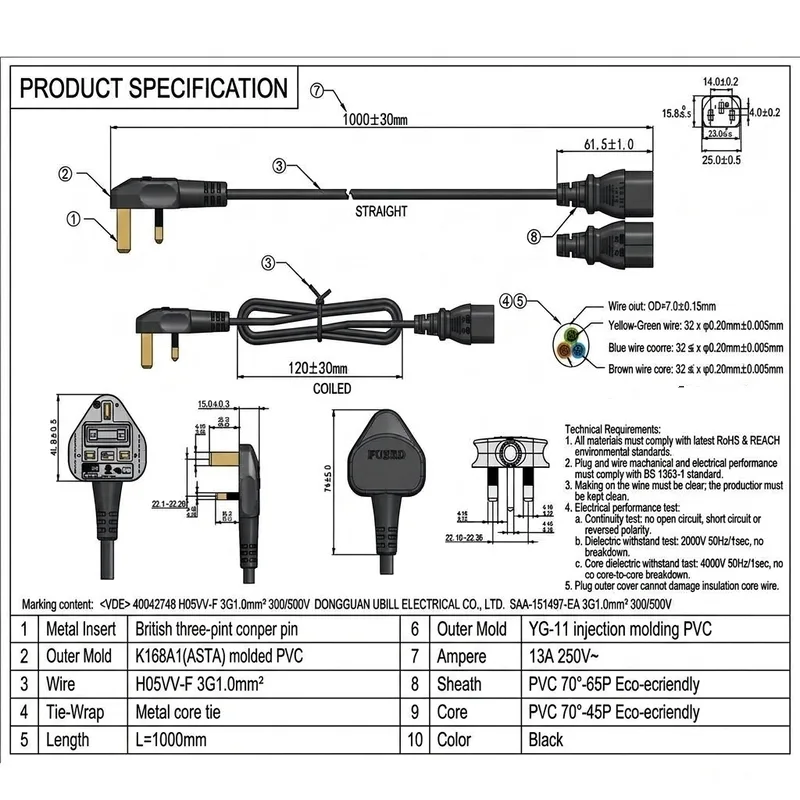
BS1363 power cord

Evaluate Quality Alongside Cost

Material cost is important, but the finished product must still meet the agreed specifications and applicable safety requirements.

Buyers should review relevant product documentation, inspection procedures, and test records for the specific model. They should also confirm that approved samples and bulk production remain consistent.

Reducing material cost should not mean accepting an unapproved conductor size, changing a specified material without authorization, or compromising required electrical performance.

Review Quotation Validity and Delivery Terms

When raw material markets are volatile, buyers should clarify:

  • How long the quotation remains valid
  • Whether pricing is fixed for the confirmed order
  • What happens if specifications change
  • Whether material availability affects the production schedule
  • How shipment timing is confirmed

Clear commercial terms help buyers compare suppliers on a consistent basis and reduce misunderstandings during production.

How SEBLIP Supports Power Cord Sourcing

When sourcing power cords and extension cords, buyers need clear specifications, consistent production quality, and reliable communication about order requirements.

SEBLIP offers power cords, extension cords, power strips, plug components, and related power connection products for B2B customers. With over 20 years of factory experience and an integrated manufacturing process, we support OEM and ODM projects involving plug configurations, conductor specifications, cable lengths, labeling, and packaging.

Confirming product specifications and production requirements early helps establish a clearer basis for quotations, quality checks, and delivery planning.

Explore our Power Cord Products and Extension Cord Products to learn more about our product range.

Conclusion

Copper supply and pricing remain important factors for the electrical industry in 2026. Growing demand from data centers, grid infrastructure, and electrification projects is increasing competition for certain electrical materials, while supply constraints and trade uncertainty continue to influence market conditions.

For power cord and extension cord buyers, the impact will vary by product specification, material consumption, supplier inventory, and production requirements. Not every product will experience the same price changes or delivery pressures.

The most practical response is to compare equivalent specifications, confirm quotation validity, plan custom orders early, and work with suppliers that provide clear technical documentation and reliable production communication.

By taking these steps, procurement teams can make more informed sourcing decisions while balancing product cost, quality, and delivery requirements.

Frequently Asked Questions

Q1: Does a rise in copper prices always increase power cord prices?

Not immediately or by the same amount. Finished-product pricing also depends on conductor consumption, inventory, purchasing contracts, other materials, processing costs, and order quantities.

Q2: Which power cords are most affected by copper price changes?

The impact depends partly on the amount of copper used in the product. Cable length, conductor cross-sectional area, and the number of conductors influence material consumption, although the overall price also depends on other manufacturing costs.

Q3: Can copper supply constraints delay power cord orders?

They may contribute to delays in some supply chains, but delivery times also depend on component availability, production capacity, order specifications, and shipping. Buyers should confirm material availability and the production schedule for each order.

Q4: How can buyers reduce sourcing risks when copper prices fluctuate?

Buyers can finalize specifications early, confirm quotation validity, plan recurring orders in advance, and maintain communication with suppliers about material availability and delivery schedules.

Q5: Does SEBLIP support customized power cords and extension cords?

Yes. SEBLIP supports OEM and ODM discussions covering plug configurations, conductor specifications, cable length, product labeling, and packaging. Final specifications, order quantities, lead times, and applicable compliance requirements should be confirmed for each project.